
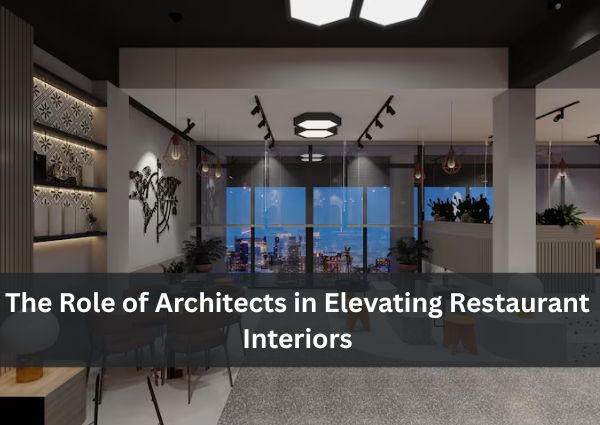
A restaurant is more than a place where people enjoy food. It is an experience shaped by atmosphere, functionality, service, lighting, furniture, colors, and overall visual identity. In today’s competitive hospitality industry, restaurant owners are increasingly investing in thoughtfully designed interiors to attract customers and create memorable dining experiences. This is where architects and interior design professionals play an important role.
Architects help transform a restaurant concept into a practical and visually appealing space. They consider everything from spatial planning and circulation to lighting, materials, furniture placement, and architectural details. A well-designed restaurant interior can improve customer comfort, support efficient staff movement, strengthen brand identity, and encourage customers to return.
Creating a Strong Restaurant Identity Through Design
One of the most important roles of architects in restaurant interiors is creating a distinctive identity. Every restaurant has its own concept, whether it is a modern café, luxury dining destination, casual family restaurant, themed establishment, or contemporary fine-dining space. The interior should communicate this concept as soon as customers enter.
Architects work closely with restaurant owners to understand the brand, target audience, menu, and desired atmosphere. These factors influence decisions about colors, materials, furniture, ceiling treatments, flooring, walls, lighting, and decorative elements.
For example, a luxury restaurant may benefit from premium stone, elegant lighting, sophisticated furniture, and carefully selected finishes. A casual café might use natural wood, comfortable seating, warm lighting, and contemporary artwork to create a relaxed environment.
Space planning is equally important. Restaurants need to accommodate dining areas, kitchens, service counters, waiting spaces, storage, washrooms, and staff areas. Architects ensure that these different zones work together without making the restaurant feel overcrowded.
Customer movement is carefully considered as well. Tables should provide enough space for comfortable dining, while pathways should allow staff to move efficiently between the kitchen and dining areas. Good planning reduces congestion and contributes to a smoother dining experience.
Lighting is another major element that can dramatically influence restaurant interiors. Architects and designers can combine ambient, task, accent, and decorative lighting to establish the desired mood. Bright lighting may work well for casual daytime dining, while softer lighting can create a more intimate atmosphere for fine dining.
Combining Functionality, Comfort, and Memorable Experiences
Restaurant interiors need to look attractive, but appearance alone is not enough. A successful restaurant design must also support daily operations. Architects consider practical requirements such as ventilation, electrical systems, plumbing, kitchen access, acoustics, safety, accessibility, and maintenance while developing the interior layout.
Acoustics are particularly important because excessive noise can negatively affect the dining experience. Appropriate materials, ceiling treatments, wall finishes, and furniture arrangements can help control sound and make conversations more comfortable.
Furniture selection also contributes significantly to customer comfort. Chairs, sofas, booths, and tables should match the restaurant’s visual style while providing appropriate comfort for the expected dining duration. The arrangement should also make efficient use of available space without compromising customer experience.
Materials must be selected carefully as well. Restaurant interiors experience considerable foot traffic, spills, cleaning, and daily wear. Durable and easy-to-maintain materials can help preserve the appearance of the space while reducing long-term maintenance requirements.
Architects can also incorporate signature design elements that make a restaurant memorable. Feature walls, artistic ceilings, custom counters, statement lighting, distinctive entrances, or carefully designed outdoor seating can become recognizable elements of the brand.
Sustainability is becoming increasingly relevant in restaurant design. Architects can incorporate energy-efficient lighting, responsibly sourced materials, natural ventilation where appropriate, durable finishes, and environmentally conscious design strategies. These choices can reduce operational impact while contributing to a modern brand image.
A thoughtfully designed restaurant can also become highly valuable for social media visibility. Customers often photograph visually appealing interiors and share their experiences online. Unique design elements can therefore contribute to organic brand awareness and attract new visitors.
Ultimately, architects help restaurants balance creativity with practical requirements. Their role extends beyond decorating a space; they create environments that support the restaurant’s identity, operations, customer experience, and long-term goals.
As competition within the restaurant industry continues to grow, interior design is becoming an increasingly important investment. A carefully planned environment can influence how customers perceive a restaurant even before they taste the food. When architecture, interior design, branding, functionality, and comfort work together, the result can be a distinctive dining destination.
Purple Studio provides the best interior services regarding restaurant interior design, helping businesses create stylish, functional, comfortable, and memorable dining environments.