
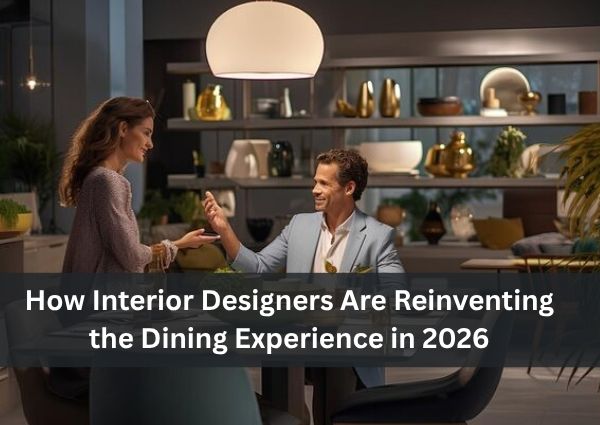
Dining in 2026 is no longer simply about enjoying delicious food. Restaurants, cafés, hotels, and dining spaces are increasingly focusing on creating memorable experiences that engage customers through design, atmosphere, comfort, and technology. Interior designers are playing an important role in this transformation by creating dining environments that reflect a brand’s identity while making every visit more enjoyable.
Modern customers are looking for more than attractive interiors. They want spaces that are comfortable, Instagram-worthy, functional, and memorable. As a result, interior designers are combining creative concepts with smart space planning, sustainable materials, innovative lighting, and technology to reinvent how people experience restaurants and other dining environments.
From intimate dining areas and open kitchens to biophilic elements and flexible seating arrangements, today’s dining interiors are designed around the complete customer journey. Every detail, including furniture, colors, lighting, acoustics, textures, and layouts, can influence how customers feel and interact with the space.
Creating Immersive and Memorable Dining Spaces
One of the biggest trends in 2026 is the focus on creating immersive dining experiences. Interior designers are moving beyond traditional restaurant layouts and developing environments that tell a story. The design may reflect the restaurant’s cuisine, cultural identity, location, or overall brand personality.
Lighting has become particularly important in shaping the atmosphere. Warm and adjustable lighting can create an intimate environment for fine dining, while brighter and energetic lighting may work better for casual cafés or contemporary restaurants. Decorative lighting fixtures can also become statement features that attract attention and strengthen the visual identity of a space.
Furniture selection is another major part of the dining experience. Designers are focusing on comfortable seating without compromising on style. Different seating zones, such as booths, communal tables, lounge seating, and private dining areas, can accommodate different customer preferences.
Biophilic design is also becoming increasingly popular. Plants, natural wood, stone, natural textures, and greenery can introduce a sense of warmth and connection with nature. These elements can make dining environments feel more relaxing and welcoming while adding visual interest.
Open kitchens are another design feature that can make the dining experience more interactive. Allowing customers to see chefs preparing food can create transparency and excitement while making the preparation process part of the overall restaurant experience.
Technology, Sustainability, and Flexible Design
Technology is becoming an increasingly important part of modern dining interiors. Restaurants are incorporating digital menus, self-ordering systems, charging points, smart lighting, and other technology-driven solutions to improve convenience. However, successful interior design ensures that technology complements the environment rather than making the space feel overly technical.
Sustainability is another major consideration for dining spaces in 2026. Interior designers are increasingly exploring recycled, reclaimed, locally sourced, and durable materials. Energy-efficient lighting, responsible material selection, and efficient space planning can help reduce environmental impact while creating attractive interiors.
Sustainable design can also provide long-term value for restaurant owners. Durable furniture and finishes can reduce frequent replacement and maintenance requirements. Energy-efficient systems can help manage operational costs while supporting a more environmentally responsible business approach.
Flexibility is equally important in modern dining environments. Restaurants may need to accommodate different types of customers and events throughout the day. A space might function as a relaxed café in the morning, a busy lunch restaurant during the afternoon, and an intimate dining venue in the evening.
Movable furniture, flexible seating arrangements, multifunctional areas, and adaptable lighting can allow restaurants to transform their spaces according to changing requirements. This approach helps businesses make better use of available space while providing customers with different experiences.
Ultimately, interior design has become an essential part of the modern dining experience. A successful restaurant interior should combine aesthetics, comfort, functionality, brand identity, sustainability, and technology to create a space that customers remember.
For restaurants, cafés, hotels, and other businesses looking to create distinctive and contemporary dining environments, Purple Studio provides professional interior design services tailored to individual requirements. With creative concepts, thoughtful space planning, modern design solutions, and attention to detail, Purple Studio can provide the best interior services for creating stylish, functional, and memorable dining spaces in 2026.