
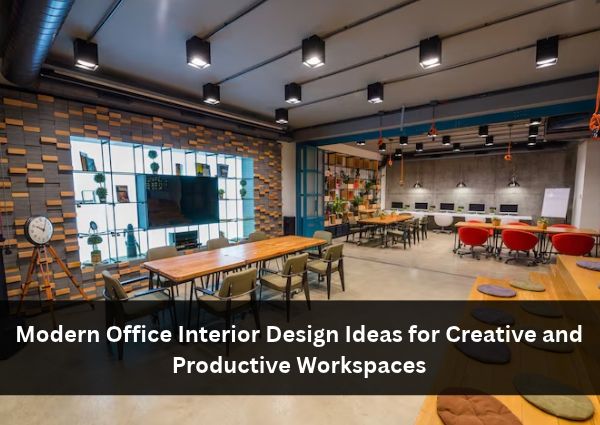
Modern office interior design goes beyond creating an attractive workplace. It focuses on developing an environment that encourages creativity, improves comfort, supports collaboration, and enhances productivity. As businesses evolve, offices are becoming more flexible and employee-focused, combining functional layouts with contemporary aesthetics. From open workstations and ergonomic furniture to natural lighting and collaborative zones, every design element contributes to a better working experience.
A thoughtfully designed office can also strengthen brand identity and create a positive impression on clients and visitors. Whether designing a corporate office, a startup workspace, or a creative studio, the right combination of colours, materials, furniture, and technology can transform an ordinary workplace into an inspiring professional environment.
1. Create Flexible Layouts That Encourage Creativity and Collaboration
An effective office layout should support different working styles while making the best use of available space. Open-plan workstations can encourage communication and teamwork, while private cabins and quiet zones provide employees with spaces for focused tasks and confidential discussions.
Flexible layouts are particularly valuable for modern businesses because they can adapt to changing team sizes and operational requirements. Modular desks, movable partitions, and multifunctional furniture allow companies to reorganise their workspaces without requiring major renovations.
Collaborative areas can include comfortable lounge seating, brainstorming corners, and informal meeting tables. These spaces encourage employees to exchange ideas and work together on projects. For tasks that require concentration, acoustic panels, sound-absorbing materials, and designated quiet areas can help minimise distractions.
Ergonomic furniture is another essential component of a productive office. Adjustable chairs, desks at appropriate heights, and well-positioned computer screens support comfortable working postures. Providing suitable furniture can help reduce physical discomfort during long working hours.
The overall layout should also maintain clear circulation paths between workstations, meeting rooms, reception areas, and common facilities. When employees can move around easily and access the resources they need, the workplace becomes more organised, functional, and efficient.
2. Use Lighting, Colours, and Natural Elements to Improve the Work Environment
Lighting has a significant influence on how an office looks and feels. Natural daylight can make interiors appear brighter and more welcoming, while appropriately designed artificial lighting supports visibility throughout the working day. Large windows, glass partitions, and open layouts can help distribute daylight across the workspace.
Task lighting is useful for individual desks, while ambient lighting provides consistent illumination throughout the office. Energy-efficient LED fixtures can help reduce electricity consumption. Glare control and appropriate screen positioning should also be considered to maintain visual comfort.
Colour selection plays an equally important role in office interior design. Neutral shades such as white, beige, and grey create a clean and professional atmosphere. Blue and green accents can introduce a calming visual effect, while carefully selected brighter colours can add energy to creative spaces. The colour palette should align with the company’s branding and the purpose of each area.
Indoor plants, wooden finishes, natural textures, and biophilic design elements can make offices feel more inviting. Greenery can introduce visual interest and strengthen the connection between indoor spaces and nature. Combined with good ventilation and comfortable temperatures, these features contribute to a pleasant working environment.
A balanced design should avoid excessive decoration or overly bright lighting. Instead, every element should support the office’s function while creating an environment where employees feel comfortable and motivated.
3. Integrate Smart Technology, Storage, and Modern Office Features
Technology is an important part of contemporary office design. Smart meeting rooms equipped with video conferencing systems, integrated displays, and reliable connectivity can support collaboration between employees working in different locations. Convenient charging points, organised cable management, and accessible power outlets also help maintain an efficient workspace.
Storage solutions should be incorporated into the design from the beginning. Built-in cabinets, concealed storage units, organised shelving, and mobile pedestals help reduce clutter and keep essential materials accessible. A clean, organised environment can make daily tasks easier while maintaining a professional appearance.
The reception area deserves special attention because it often creates the first impression for visitors. A well-designed reception desk, comfortable seating, coordinated lighting, and subtle branding can communicate the company’s identity and professionalism. Meeting rooms should similarly balance functionality and aesthetics through suitable furniture, acoustic treatments, and thoughtful lighting.
Sustainability is another important consideration. Energy-efficient lighting, durable materials, reusable design elements, and responsibly selected furnishings can support more environmentally conscious office interiors. Flexible furniture and adaptable layouts can also extend the usefulness of the workspace as business requirements change.
Ultimately, successful office interior design combines aesthetics, comfort, technology, and functionality. A workspace that responds to employee needs can encourage collaboration, support focused work, and reflect the organisation’s values.
Purple Studio provides the best interior services regarding this, helping businesses create modern, functional, and visually appealing workspaces tailored to their requirements. With thoughtful planning and creative design solutions, Purple Studio can help transform ordinary offices into productive environments that inspire employees and leave a lasting impression on clients.